

How Grooming Affects Confidence and First Impressions
Grooming confidence first impressions are closely connected to how prepared, confident, and comfortable you feel in everyday interactions. You may not realize it, but grooming plays a powerful role in how confident you feel and how others perceive you. Many people believe confidence comes only from skills or personality, while grooming is seen as a surface-level detail. In reality, grooming quietly shapes your self-belief and strongly influences first impressions—often before you even speak a word.
This is why grooming confidence first impressions matter much more than most people realize. How grooming affects confidence and first impressions is not about looking perfect. It is about feeling prepared, comfortable, and assured in your own presence. Small grooming habits practiced daily can create a big psychological and social impact over time.
This clearly explains how grooming confidence first impressions are formed even before a person speaks.
Table of Contents
Why Grooming Plays a Key Role in Confidence
Confidence is deeply connected to how you feel about yourself. When you are well-groomed, your mind receives a subtle signal that you are ready and in control. Clean appearance, neat posture, and personal care reduce self-conscious thoughts and allow you to focus on interactions instead of worrying about how you look.
Poor grooming, on the other hand, creates inner discomfort. Even if you are capable and talented, lack of grooming can lower self-confidence by making you feel unprepared or judged. This is why grooming directly affects confidence from the inside out.
Most confidence-related issues begin when grooming confidence first impressions are ignored in daily routines.
How First Impressions Are Formed

First impressions are formed within the first few seconds of meeting someone. Before your words, knowledge, or skills are noticed, your appearance and body language are observed. Grooming becomes the first non-verbal message you send.
Well-groomed individuals are often perceived as confident, organized, and trustworthy. Poor grooming can unintentionally send signals of carelessness or low self-esteem, even when that is not true. This shows how grooming affects confidence and first impressions in both personal and professional situations.
Key Grooming Habits That Affect Confidence and First Impressions
1. Personal Hygiene and Grooming Confidence First Impressions
Why people ignore it:
Daily hygiene feels basic and repetitive, so people stop paying attention to it. Over time, brushing, bathing, and wearing clean clothes become automatic actions done in a hurry. Because these habits don’t show instant results, people underestimate their impact and assume that missing small details won’t matter.
How it affects confidence:
Good hygiene creates an immediate sense of freshness and comfort. When you know you smell clean, feel fresh, and look neat, your mind stays relaxed. Poor hygiene, even in small ways, creates constant self-doubt—making you worry about body odor, appearance, or how close people are standing. This silent anxiety slowly reduces confidence and distracts you during conversations.
How it impacts first impressions:
Cleanliness is often the first thing people notice without realizing it. Well-maintained hygiene signals self-respect, discipline, and awareness. On the other hand, poor hygiene can unintentionally send a message of carelessness, even if you are skilled or intelligent. First impressions are formed quickly, and hygiene plays a key role in shaping them positively or negatively.
What to do:
Maintain simple daily hygiene habits consistently, not occasionally. Focus on basic routines like regular bathing, clean clothes, oral care, and fresh grooming. Consistency matters more than perfection—when hygiene becomes a daily priority, confidence and positive first impressions follow naturally.
Personal hygiene is one of the strongest foundations of grooming confidence first impressions in daily life.
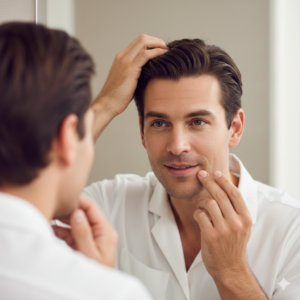
2. Hair & Beard Grooming for Confidence and First Impressions
Why people ignore it:
Busy days often push hair and beard grooming to the bottom of the priority list. The thought of “I’ll manage it later” feels harmless, especially when work and responsibilities take over. Over time, grooming becomes something people do only when absolutely necessary, not something they maintain regularly.
How it affects confidence:
Untidy hair or an untrimmed beard may seem like a small thing, but it quietly affects confidence. Even when everything else is in place, messy grooming creates a feeling of being unfinished or unprepared. That discomfort shows in small ways—less eye contact, hesitation while speaking, or constantly adjusting hair or face. Well-groomed hair and beard remove this distraction and allow confidence to come naturally.
How it impacts first impressions:
Hair and beard are noticed instantly, often before words are spoken. Clean, well-maintained grooming signals discipline, awareness, and self-respect. When grooming is ignored, it can unintentionally send the message that details don’t matter. In first meetings or social interactions, neat grooming creates a positive and trustworthy impression.
What to do:
The simplest solution is choosing a low-maintenance style that suits daily routine. Regular trims and basic upkeep matter far more than occasional heavy styling. When grooming is easy to maintain, it becomes consistent—and consistency is what builds confidence and strong first impressions.
3. Skincare and Clean Appearance
Why people ignore it:
Skincare is often seen as something extra that requires too much time or effort. Many people feel that washing the face occasionally is enough, while proper skincare is treated as a luxury or something only needed when skin problems appear. Because results are not instant, skincare easily gets ignored in daily routines.
How it affects confidence:
Healthy, clean skin plays a big role in how confident someone feels. When skin looks dull, irritated, or neglected, it creates unnecessary self-consciousness. On the other hand, clean and well-cared-for skin makes a person feel fresh, comfortable, and more confident without needing makeup or constant touch-ups.
How it impacts first impressions:
Skin is one of the first things people notice. Clean, healthy-looking skin reflects self-care, discipline, and attention to detail. Even without heavy styling, good skin creates a positive impression and makes interactions feel more natural and comfortable.
What to do:
The best approach is keeping skincare simple and consistent. A basic routine of cleansing, moisturizing, and protecting the skin is enough. When skincare becomes a daily habit rather than an occasional effort, confidence and positive impressions follow naturally.
4. Dressing Sense
Why people ignore it:
Comfort is often given priority over appropriateness. Loose clothes, repeated outfits, or random dressing feel easy, especially on busy days. Many people believe that as long as clothes feel comfortable, how they look doesn’t matter much. Over time, dressing becomes a rushed decision rather than a thoughtful one.
How it affects confidence:
Wearing suitable clothes has a direct effect on self-assurance. When clothes fit well and match the situation, there is less self-doubt and more ease in movement and communication. On the other hand, clothes that feel out of place—too casual, too tight, or poorly chosen—create discomfort and make a person more conscious of their appearance instead of focusing on the moment.
How it impacts first impressions:
People often judge situations through appearance before words are exchanged. Dressing appropriately for the occasion shows awareness, respect, and understanding of social cues. Whether it’s a meeting, a gathering, or a casual interaction, suitable dressing creates a positive first impression and makes others feel comfortable and respected.
What to do:
The key is dressing neatly and appropriately, not expensively. Clean, well-fitted clothes that suit the occasion matter far more than brands or trends. When dressing choices are simple, intentional, and situation-aware, confidence and positive impressions come naturally.
Dressing appropriately strengthens grooming confidence first impressions in both personal and professional settings.
5. Body Language and Posture in Grooming Confidence and First Impressions
Why people ignore it:
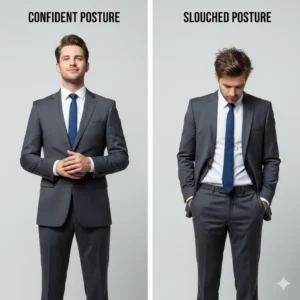
Body language habits develop unconsciously. Slouching, avoiding eye contact, or closed posture often become part of daily routine without anyone realizing it. Because these habits are not intentional, they are rarely corrected, even though they silently affect how confident a person appears.
How it affects confidence:
Posture has an instant impact on confidence. Standing straight naturally makes the body feel stronger and more balanced. Good posture sends a signal to the mind that everything is under control, while poor posture can create feelings of low energy and insecurity. Small changes in body language can immediately improve how confident someone feels.
How it impacts first impressions:
People notice body language before they notice words. Open posture, relaxed movements, and comfortable eye contact make a person appear confident and approachable. Closed body language, on the other hand, can make someone seem nervous or uninterested, even when that’s not the case.
What to do:
Simple awareness is the key. Standing straight, maintaining gentle eye contact, and keeping the body relaxed helps create a calm and confident presence. When body language becomes mindful rather than automatic, first impressions improve naturally.
Pause for a moment and look at the image above.
It clearly shows how body language and grooming together shape confidence and perception. Even without hearing a single word, the difference between closed and open posture instantly changes how a person is perceived.
Body language plays a silent but powerful role in grooming confidence first impressions.
Common Grooming Mistakes That Reduce Confidence
Many people unknowingly harm their confidence by neglecting basic grooming. Small things like untidy hair, poor hygiene, or inappropriate dressing may seem unimportant, but over time they create a feeling of being unprepared. Inconsistency is another common mistake—grooming only on special occasions and ignoring it on regular days weakens self-confidence without people realizing it.
Blindly following trends can also do more harm than good. What looks good on social media or influencers may not suit everyone’s personality, lifestyle, or comfort level. When grooming feels forced or unnatural, it creates discomfort instead of confidence. Overdoing grooming—too much styling, heavy makeup, or extreme changes—can also make a person feel self-conscious rather than confident.
True grooming is about balance, not extremes. It works best when it supports comfort, authenticity, and daily routine. When grooming choices feel natural and consistent, confidence grows quietly and lasts longer.
Psychological Benefits of Good Grooming on Confidence and First Impressions
Good grooming has a deep psychological effect that goes beyond appearance. When a person feels groomed, there is an immediate boost in self-esteem. This inner confidence helps reduce social anxiety because there is less worry about how one looks or is being judged. Grooming creates a sense of control and preparedness, which naturally calms the mind.
A groomed appearance also strengthens self-image. Feeling comfortable in one’s own presence allows the mind to stay focused and positive. This mental clarity improves communication, helps in making better decisions, and supports emotional stability. When grooming becomes consistent, confidence starts coming from within rather than from external validation.
How Grooming Builds Confidence and First Impressions
In professional settings, grooming plays a key role in how competence and credibility are perceived. Well-groomed individuals appear more confident during meetings, interviews, and presentations because they feel prepared and composed. This confidence reflects in body language, speech, and overall presence, making interactions more effective.
Socially, grooming helps create ease and comfort in conversations. When someone appears neat and confident, others naturally feel more relaxed around them. Good grooming reduces awkwardness, encourages open communication, and helps build stronger connections. It quietly supports positive interactions in both personal and professional life.
Simple Grooming Habits for Confidence and First Impressions
Grooming does not require luxury products or extra time. Simple habits practiced daily make the biggest difference. Neat clothing, basic hygiene, and clean grooming help create a fresh and confident feeling throughout the day. Calm posture and mindful communication further strengthen this confidence.
Consistency is more important than perfection. When these small habits become part of everyday routine, confidence builds naturally—even in a busy life. Over time, grooming feels effortless and confidence becomes a natural part of one’s personality.
Conclusion
Understanding grooming confidence first impressions helps build self-belief and stronger social presence.
How grooming affects confidence and first impressions goes far beyond appearance. Grooming is a silent form of communication that shapes how you feel about yourself and how others perceive you.
When grooming becomes a daily habit rather than an occasional effort, confidence grows naturally. Simple, consistent grooming choices help you show up confidently—every single day.
Grooming is not about changing who you are. It is about presenting your best self with confidence. Building strong grooming confidence first impressions is a gradual process created through small, consistent grooming habits.
These daily habits clearly show how grooming confidence first impressions are closely connected in both personal and professional life. In the long run, consistent habits are what truly build grooming confidence first impressions.