
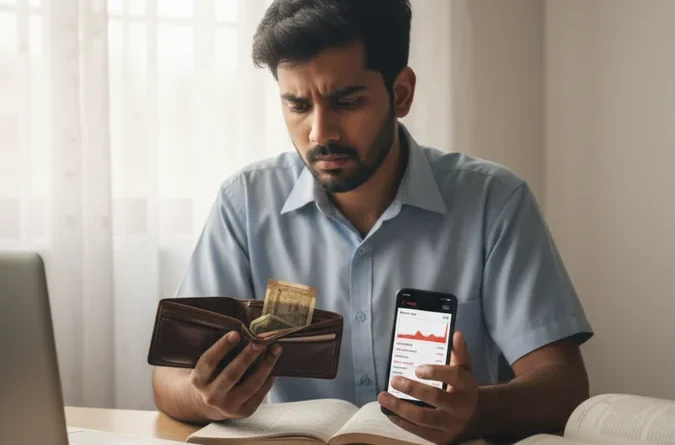
10 Budgeting Tips for Indian Students: Poor Money Habits Today, Tough Life Tomorrow
Table of Contents
Spending Parents’ Money Without Guilt? This Habit Can Ruin a Student’s Life
Nowadays, many students waste money trying to show off. And
they don’t even realize when they casually use seemingly easy services like online shopping, subscription plans, and travel gadgets. They forget about budgeting and don’t realize that this money isn’t earned by them.
They don’t understand how hard their parents worked hard to earn this money, how many years it took them to accumulate it. Giving guidance to students about budgeting tips has become very important these days. Students don’t understand the importance of money. Because of this habit, students’ lives are being ruined, and they don’t even realize how big an obstacle this habit can become in their future plans.
Spend some money, but wisely and thoughtfully.
If this behavior continues, students will definitely face difficulties later in life. That’s why it’s crucial for Indian students to learn and follow budgeting tips from an early stage.
Spend money, but wisely and intelligently. Be alert! If this continues throughout their lives, students’ lives can be ruined. That’s why learning budgeting tips is very important for Indian students, and they should follow them throughout their lives.
Why Budgeting Is Important for Indian Students

Most Indian parents work very hard so their children can study without stress and live a comfortable life. Parents often sacrifice their own needs, dreams, and happiness to secure a better future for their children. However, when students misuse money or spend carelessly, it creates long-term problems that affect both students and their families. This is where budgeting tips for Indian students play a very important role.
Without proper budgeting:
Parents face continuous financial pressure
Students develop poor money habits
Seriousness toward career and life reduces
Future responsibilities become stressful and overwhelming
Following budgeting tips for Indian students helps build discipline, responsibility, and a secure future for both students and their parents.
At the same time, parents also have an important role to play. Every parent has a soft emotional corner for their children, and it is natural to express love by fulfilling their wishes. Loving children is important, but along with love, parents must also teach the value of money. Children should understand that money comes from hard work, time, and effort, not easily or endlessly.
Parents must remind students that time is never the same forever. Comfortable days do not last forever, and life can change at any moment. Preparing children mentally and financially from an early age makes them stronger and more independent. When parents teach budgeting, discipline, and money values, they are actually preparing their children to face tough situations with confidence in any condition.
A child who understands the value of money today becomes a responsible, strong, and successful adult tomorrow. This balance of love, emotions, and financial education is the foundation of a bright and secure future for students and peace of mind for parents.
10 Budgeting Tips for Indian Students to Build a Better Lifestyle
1. Understand Where the Money Comes From

Before spending even ₹10, ask yourself:
“How many hours did my parent work to earn this money?”
This is one of the most important budgeting tips for Indian students because it creates respect for money and helps students understand its true value. When students realise the effort, time, and sacrifice behind every rupee, they naturally become more careful and responsible in their spending. This awareness not only controls unnecessary expenses but also builds a disciplined mindset, which is essential for a better, smoother, and more stable lifestyle in the future.
2. Track Every Expense
Most students don’t know where their money actually goes. At the end of the month, they feel money is finished, but they cannot clearly say how or where it was spent. This habit creates confusion, stress, and careless spending. Tracking daily expenses is one of the smartest budgeting tips for Indian students because it brings awareness and control.
When students start tracking expenses, they realise how much money is going on small things like snacks, online orders, auto rides, recharges, subscriptions, and impulse shopping. These small amounts may look harmless, but together they quietly break the budget. Once students see the real picture, they automatically start spending wisely and avoid unnecessary expenses. This simple habit helps create a smoother and more balanced lifestyle.
How Indian students can track their expenses easily:
Write down every expense at night before sleeping
Note even small amounts like ₹20 or ₹30
Divide expenses into categories like food, travel, study, and fun
Check weekly where money is going the most
Set a small daily spending limit and try not to cross it
You don’t need anything complicated. Just honesty and consistency are enough.
Simple tools students can use today:
A notebook or diary (best for beginners)
Notes app on the phone
Google Sheets for simple tracking
Microsoft Excel for monthly budgeting
Walnut for automatic SMS-based tracking
Money Manager for easy daily records
Tracking expenses is not about restricting life. It is about understanding your habits, respecting money, and learning to manage life better. Students who track their expenses early become more confident, disciplined, and prepared to handle real-life financial responsibilities in the future.
3. Separate Needs and Wants
Learning the difference between needs and wants is a core part of budgeting tips for Indian students. Many students spend money not because something is necessary, but because they feel like buying it in that moment. This leads to emotional and impulsive spending, which slowly destroys financial balance.
Needs are things a student cannot live or study properly without. These are essential for daily life and education.
Wants are things that make life more comfortable or fun, but are not necessary.
When students clearly understand this difference, they start making smarter choices. Instead of asking “Do I want this?”, they start asking “Do I really need this right now?” This small change in thinking makes a big difference in spending habits.
| Basic Needs (Must Have) | Wants (Nice to Have) |
|---|---|
| Food and basic meals | Branded clothes and shoes |
| Education fees, books, and study material | Frequent eating outside or food delivery |
| Travel or transport expenses | Latest gadgets and accessories |
| Internet or mobile recharge for study | Multiple OTT subscriptions |
| Basic clothing and daily essentials | Luxury items and impulse online shopping |
These things are not wrong, but they should be controlled and planned.These basic needs are essential for a student’s daily life and education, so they should always come first. Wants can be enjoyed later when money is planned and available.
A simple rule students can follow:
Needs first, wants later.
If money is left after managing needs, then students can enjoy wants without guilt. This habit helps avoid regret, saves money, and creates a stable and smooth lifestyle. Students who learn to separate needs and wants early become more confident, disciplined, and prepared to handle real-life responsibilities.
4. Set a Monthly Budget Limit
Deciding a monthly budget limit is one of the most practical budgeting tips for Indian students. It helps students control unnecessary spending and slowly builds self-control and financial maturity. When students know they have limited money for the month, they naturally start thinking before spending and avoid wasteful habits.
Along with a fixed budget, students should always save a small amount for emergencies. Emergencies are not planned, and they can happen even during student life. These may include:
Sudden medical needs or medicines
Urgent travel due to family issues
Extra books, exam forms, or college fees
Mobile or laptop repair needed for studies
Unexpected hostel or PG expenses
When students don’t have emergency savings, they feel stressed and helpless. But when they have even a small saved amount, they feel confident and independent. In such moments, students feel proud that they planned ahead instead of immediately depending on their parents.
According to financial planning guides, emergency funds act as a safety net during unexpected financial crises and help students avoid debt and stress. They encourage financial discipline and peace of mind, allowing students to focus more on education instead of money worry.
Saving for emergencies doesn’t require a large amount. Even setting aside a small portion of monthly budget teaches you discipline and prepares you for life’s uncertainties. Developing this habit makes students stronger, more confident, and better equipped to handle tough situations in any condition.
5. Avoid Peer Pressure Spending

Spending money just to impress friends is dangerous and often leads students in the wrong direction. One of the most realistic and important budgeting tips for Indian students is to ignore peer pressure and focus on personal growth. Many students buy expensive clothes, gadgets, or go out unnecessarily only because their friends are doing the same. Deep inside, they may not even want these things, but they don’t want to feel left out.
Remember one simple truth:
“If you copy someone today, your tomorrow will be spoiled.”
Everyone’s life situation is different. Everyone’s family income, responsibilities, and future goals are different. Trying to match someone else’s lifestyle can slowly push students into stress, guilt, and regret.
A reality check students should remember:
In today’s world, when you have money, many people stay around you. When money is gone, most of them disappear. True friendship is rare. So don’t waste your parents’ hard-earned money just to keep people impressed for a short time.
“Make your own identity. Don’t copy anyone. Be real, be responsible.”
A real-life example:
Many students later share that they spent money unnecessarily during college just to fit in with friends. Later, when they faced financial pressure or emergencies, those same friends were not there to help. This experience teaches a hard but important lesson — self-discipline stays with you, not peer pressure.
Financial experts also warn that peer pressure spending can seriously damage long-term financial stability, especially among young people. You can read more about how social pressure affects spending habits here:
At the end of the day, you are your own best help. Choosing discipline over showing off makes you stronger. Saying “no” today protects your future tomorrow. Spend money for your growth, not for validation.
“Be strong enough to stand alone, wise enough to choose your path, and brave enough to say no.”
6. Learn Basic Money Management Skills
Understanding saving, planning, and controlled spending are essential budgeting tips for Indian students that help in real life, not just exams. Money management is not about becoming strict or stopping enjoyment. It is about learning how to handle money wisely so that life stays smooth, balanced, and stress-free. When students learn these skills early, they become more confident, disciplined, and prepared for future responsibilities.
To understand this clearly, let’s look at a real and practical example that every student can relate to.
Monthly Money Planning (₹10,000)
| Category | Details | Monthly Amount (₹) | Yearly Impact (₹) |
|---|---|---|---|
| Basic Needs | Food & basic meals | 3,000 | 36,000 |
| Travel / transport | 1,500 | 18,000 | |
| Internet & mobile recharge (study) | 500 | 6,000 | |
| Books, notes & study material | 1,000 | 12,000 | |
| Total Basic Needs | Essential expenses | 6,000 | 72,000 |
| Savings (20%) | Emergency & future fund | 2,000 | 24,000 |
| Wants (Controlled) | Food outside, outings, entertainment | 2,000 | 24,000 |
| Total Monthly Money | Complete budget plan | 10,000 | 1,20,000 |
This single table clearly shows how can you manage ₹10,000 per month in a smart way.
First priority is always basic needs, then savings, and finally controlled enjoyment.
The most powerful part is savings — just ₹2,000 per month becomes ₹24,000 in one year. This money can protect a student during emergencies and make them feel confident and responsible.
This saved money can help in:
Emergency situations
Skill courses or certifications
Buying a laptop or study tools
Supporting parents during tough times
Handling such situations with your own savings make you feel proud, confident, and responsible.
Message for Students
“Money doesn’t grow by spending. It grows by planning.”
Students who follow this method don’t panic in difficult times. They respect their parents’ efforts, stay focused on their goals, and become mentally strong to handle any condition in life.
This is what real money management looks like — simple, practical, and powerful.
7. Start Saving Even a Small Amount
Saving even a small amount regularly is one of the easiest and most effective budgeting tips for Indian students.
Many students think saving is only possible when they have a lot of money, but this is not true. Saving is not about how much you save, it is about how regularly you save.
When students start saving small amounts like ₹50, ₹100, or ₹200, they slowly build financial confidence. These small savings create a habit of discipline and self-control. Over time, this habit grows stronger and helps students manage bigger amounts easily in the future.
Small savings also give mental peace. When students know they have some money saved, they don’t feel scared during small emergencies. They feel independent and responsible instead of helpless. This confidence is very important in student life.
“Don’t wait to save big. Start saving small, but save regularly.”
Even a small amount saved today can become useful tomorrow. This habit teaches students the real value of money and prepares them to handle life’s challenges calmly and wisely.
8. Try to Earn While Studying
Trying to earn while studying is one of the most practical budgeting tips for Indian students. Part-time work, internships, or small earning activities help students understand the real effort behind money. When students earn even a small amount on their own, their respect for money increases automatically. They spend more carefully and become more serious about life and career.
Earning early also builds confidence. It teaches time management, responsibility, and independence. Students who earn while studying are usually more focused and better prepared for future challenges.
Simple Ways Students Can Earn While Studying
Part-time jobs: Working in a shop, café, library, or coaching centre during free hours
Internships: College internships, summer internships, or online internships related to your field
Online freelancing: Content writing, basic design, data entry, social media handling
Tutoring: Teaching junior students or school children in your area
Skill-based work: Using skills like typing, editing, basic coding, or video editing
Campus work: Helping in college events, labs, or administrative tasks
Students don’t need to earn a lot. Even a small income teaches powerful life lessons.
“When you earn your own money, even ₹100 feels valuable.”
Safe Online Earning Platforms for Indian Students
| Platform | What It’s Best For |
|---|---|
| Upwork | Freelancing (writing, design, data entry, virtual assistant) |
| Freelancer | Project-based online work |
| Fiverr | Small gigs like graphic design, voiceover, editing |
| Internshala | Paid internships, part-time jobs, and online work |
| YouTube | Content creation (educational, skills, vlogging) |
| Skillshare / Udemy | Create and sell courses (if you have a skill) |
| Google Tez/PhonePe referrals | Earn small money through safe app referral programs |
| TaskBucks / Roz Dhan | Small tasks, surveys, rewards (easy beginner income) |
Note: Always use official sites only. Avoid any platform that asks for money upfront or promises unrealistic income.
Trying to earn while studying doesn’t mean ignoring education. It means learning how real life works along with studies. This habit makes students stronger, more confident, and ready to handle responsibilities in the future.
“Earning while studying doesn’t mean working more — it means working smart.”
When you balance earning and studying, you build real financial confidence and life skills. You learn discipline, time management, responsibility, and independence — all of which prepare you for a confident, peaceful, and successful future.
9. Stop Emotional Spending
Emotional spending slowly destroys financial stability, and many students don’t even realise when it happens. Buying things when you feel sad, bored, stressed, lonely, or excited gives temporary happiness, but later it creates regret and money problems. That is why avoiding emotional spending is one of the most serious budgeting tips for Indian students.
Many students spend money to feel better or to escape emotions. Food delivery, online shopping, or small purchases may look harmless, but repeated emotional spending quietly breaks your budget. Over time, it becomes a habit that is hard to control.
Instead of spending money to manage emotions, students should learn healthier options like talking to someone they trust, taking a walk, exercising, listening to music, or focusing on studies or skills. These habits cost nothing but give real peace of mind.
10. Think About Your Future, Not Just Today
Future planning is the heart of all budgeting tips for Indian students. What you do with your money and time today decides how your life will look tomorrow. Many students focus only on present enjoyment and forget that small habits slowly shape their future lifestyle, health, and success.
Along with careless spending, many students also develop bad habits that are not good for their health and are equally harmful for a successful life. These habits may feel normal today, but in the long run, they damage focus, discipline, and growth.
Some common bad habits students should seriously think about:
Overspending on junk food and unhealthy eating
Late-night scrolling and poor sleep routine
Excessive screen time and social media addiction
Ignoring physical activity and health
Wasting time instead of learning new skills
Living without goals or future planning
These habits not only waste money but also reduce energy, confidence, and productivity. A successful lifestyle needs both financial discipline and healthy habits.
Students who plan their future early start changing small things today:
They control expenses
They take care of health
They manage time better
They stay focused on goals
They choose discipline over comfort
“Your future is not built in one day, it is built by small daily choices.”
If you truly want a better and successful lifestyle, start observing the habits of successful people and try to apply them slowly in your own life. You can also read this helpful guide to understand the mindset and habits that lead to success:
Thinking about the future doesn’t mean stopping enjoyment. It means enjoying life without destroying tomorrow. When students balance money, health, habits, and goals, they build a future that is confident, stable, and truly successful.
How Budgeting Helps Secure the Future of Students and Parents
When students follow budgeting tips for Indian students, parents feel less stress and more satisfaction. Students become disciplined adults who can handle responsibilities confidently.
This is why budgeting tips for Indian students are not just about money, but about life values.
Thoughts: Money Habits Decide Life Direction
Spending parents’ money carelessly is easy. Living a responsible life without financial skills is very hard.
By following budgeting tips for Indian students, youth can achieve their dreams, respect their parents’ sacrifices, and build a secure future.
Spend some time, but with wisdom and careful thinking.
Poor money habits today create a tough life tomorrow.
Smart budgeting today creates a secure and successful future.
Why are budgeting tips important for Indian students?
Budgeting tips are important for Indian students because most students depend on their parents’ hard-earned money. Budgeting helps students understand the value of money, control unnecessary spending, and prepare for a secure and independent future.
How can students start budgeting with a small amount of money?
Students can start budgeting even with a small amount by tracking daily expenses, separating needs and wants, and saving a small portion regularly. Budgeting is about discipline, not the amount of money.
What are the biggest money mistakes Indian students make?
The biggest mistakes include emotional spending, peer pressure spending, not tracking expenses, ignoring savings, and not planning for emergencies. These habits can create financial stress later in life.
Can students earn money without affecting their studies?
Yes, students can earn money without affecting studies by doing part-time work, online internships, freelancing, tutoring, or skill-based online work. Time management and setting priorities are very important.
How to budget money as a student?
Budgeting helps students develop discipline, confidence, and responsibility. It reduces stress, improves focus, supports healthy habits, and Budgeting money as a student starts with understanding how much money you receive every month and where it is being spent. First, list your basic needs like food, travel, study material, and internet. These should always be your first priority. After that, decide a fixed amount for savings, even if it is small. Then, use the remaining money for wants like outings or entertainment, but within limits.
Tracking daily expenses, avoiding emotional and peer-pressure spending, and planning monthly limits help students stay disciplined. Budgeting is not about stopping enjoyment; it is about spending wisely so that you feel confident, stress-free, and prepared for the future.
How can I earn 1000 rupees per day as a student?
Earning ₹1000 per day as a student is possible with the right skills and time management. Students can earn by doing online freelancing such as content writing, graphic designing, video editing, data entry, or social media handling. Online tutoring, teaching junior students, or working as a part-time tutor can also help reach this amount.
Students can also earn through paid internships, skill-based work, or consistent online work like managing pages, editing, or creating content. The key is to focus on one skill, give it time, and stay consistent. Earning may start small, but with experience and discipline, reaching ₹1000 per day becomes achievable. If you need help or have any questions, feel free to comment below. You’re not alone in this journey.