
A Complete Guide to the Yogic Diet: Amazing Benefits, Simple Types, and a 7-Day Meal Plan
Do you know how people in this world who follow an ancient lifestyle remain so fit and live so long? Let’s find out. They didn’t achieve this solely through yoga postures; the secret lies in their eating habits.
The Yogic Diet is a beautiful way to experience life. It’s not just a diet. In today’s fast-paced lifestyle, we have forgotten this extraordinary ancient lifestyle. Always in a hurry or tired, the increasing consumption of packaged food and junk food is ruining our lives.
At the same time, using a yogic diet is a unique way to purify our body and mind, which improves our health and we live our life happily and healthy. So let us know what is this yogic diet, how many types are there, how to incorporate it in your lifestyle and one more good news for you, we are going to share a 7-day complete meal plan with you.
Table of Contents
What is the Yogic Diet?
The Yogic Diet is a gift from nature, a pure vegetarian, nutritious, and healthy eating system. When our minds are restless, our bodies impure, and we don’t feel like engaging in spiritual practice, the Yogic Diet, which is completely pure, plant-based, and sattvic, incorporates organic, fully balanced foods. By using it, we can keep our bodies clean, our minds light, and our energy stable. While following this diet, we are advised to adhere to certain restrictions, such as avoiding processed foods and avoiding tamasic and stimulating foods.
3 Types of Food In Yogic Diet
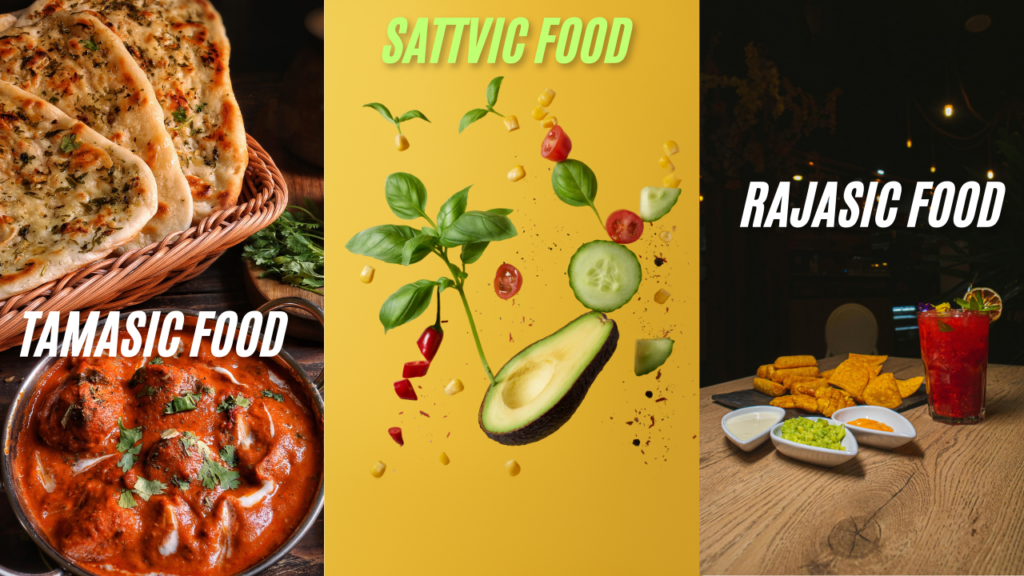
Satva Guna, Rajoguna, and Tamoguna. These three gunas are also present in our food. It is said, “As is your food, so is your mind.” Now let’s learn in detail how: According to yogic philosophy, the entire universe is made up of three gunas. What are these three gunas? Let’s learn in detail.
1. Sattvic Diet – Pure, Balanced, and Natural
A Sattvic diet is a gift from nature and is the purest form of a yogic diet. This diet nourishes our bodies, prevents anger, provides peace, and awakens the soul, helping to maintain patience.
What does a Sattvic diet include?
• Fresh fruits: Apples, bananas, pomegranates, papayas, and mangoes.
• Green leafy vegetables: Spinach, fenugreek, and bathua.
• Whole grains: Brown rice, wheat, barley, and millet.
• Pulses and legumes: Mung beans, chickpeas, and kidney beans.
• Nuts and seeds: Almonds, walnuts, and pumpkin seeds.
• Milk and ghee: Fresh milk, pure ghee.
• Natural sweeteners: Honey, jaggery, and dates.
Let’s explore its effects on the mind:
A sattvic diet brings peace to the mind, creates positive vibes, and provides clarity and positive energy. It improves concentration in meditation and yoga.
2.Rajasic Diet – Promotes intense emotions for an excitable and active mind
This includes foods that cause excess heat, restlessness, and excitement called Rajasic Foods.
What does a Rajasic Diet include?
- Spicy and pungent foods
- Fried foods – samosas, pakoras, chips
- Caffeinated beverages – tea, coffee
- Foods with excessive salt and sugar
- Onions and garlic
Let’s explore its effects on the mind: A Rajasic diet makes the mind restless, agitated, and hyperactive. Because fried and spicy foods increase the heat in our stomachs, it makes meditation and yoga difficult. Sometimes, eating such foods even makes us angry.
3. Tamasic Diet – Gives Darkness, Ignorance, Inertia and Lethargy
Tamasic food is one that is overcooked or processed, causing inertia, laziness, and heaviness in the body and mind. It dulls our minds. Sometimes, people who consume this food for a long time even develop serious illnesses. In yoga, it is considered the lowest type of diet.
Let’s find out what is included in a Tamasic diet:
- Stale and processed food
- Canned food
- Meat, fish, and eggs
- Alcohol and other intoxicants
- Leftovers or overnight cooked food
- Deep-fried and heavy food
Let’s explore its effects on the mind :
Tamasic food makes the mind dull, confused, and lazy. This can increase negative thoughts and depression.
7 Amazing Benefits of a Yogic Diet
The Yogic Diet isn’t just about what you eat—it has the power to completely transform your emotional state, your thoughts, and your outlook on the world. In the midst of our hectic lives, it offers more than just a healthy body. You also gain a calm mind and a deeper sense of connection. Here are the things that truly stand out:
1. More Focus and Clear Thinking
Adopt a Satvik diet, and you’ll notice your mind will calm down. Meditation and yoga will become easier. You’ll find yourself making faster decisions and thinking more clearly, almost as if a mental stress has been lifted.
2. A Happier Gut
This diet contains plenty of fiber from fresh fruits, vegetables, and whole grains. Your digestive system is strengthened, constipation becomes a common occurrence, and your stomach feels lighter and healthier.
3. Improved Heart Health
Eating a plant-based diet reduces unhealthy fat and provides plenty of fiber. Your cholesterol stays under control, blood pressure remains balanced, and your heart thanks you by staying strong.
4. Keeps Blood Sugar Under Control
With foods that won’t spike your blood sugar, a yogic diet keeps things under control. This is a big win for anyone managing diabetes.
5. More Emotional Stability
Eat clean and you’ll notice your mood improves. There’s less irritability, less anger, and more inner peace. You simply feel more stable.
6. Clean, Long-Lasting Energy
With a Satvik diet, you don’t need coffee or sugar rushes. The energy from whole foods—like fruits, nuts, and grains—helps you keep going throughout the day without feeling tired.
7. Weight control becomes easier
By cutting out junk, processed foods, and excess sugar, you naturally avoid overeating. Mindful eating becomes a routine, and managing your weight becomes much easier.
What Do Yogis Eat? Complete Food List
What you should eat and avoid on a Yogic Diet:
| Food Category | Sattvic (Eat These) | Avoid These (Rajasic/Tamasic) |
|---|---|---|
| Grains | Brown rice, whole wheat, barley, millet, oats | White flour, refined cereals, instant noodles |
| Legumes | Mung dal, masoor dal, chickpeas, kidney beans | Canned legumes, processed bean products |
| Vegetables | Spinach, carrots, beets, zucchini, bottle gourd | Onion, garlic (in strict practice), frozen vegetables |
| Fruits | Fresh seasonal fruits (apple, banana, orange, papaya) | Canned fruits, fruit juices with added sugar |
| Proteins | Paneer, tofu, lentils, beans, sprouts | Meat, fish, eggs, processed protein powders |
| Dairy | Fresh milk, cow’s ghee, fresh yogurt | Packaged cheese, flavored milk, ice cream |
| Beverages | Coconut water, lemon water, herbal tea | Tea, coffee, soft drinks, alcohol |
| Sweeteners | Jaggery, honey, dates, mishri | White sugar, artificial sweeteners |
| Nuts & Seeds | Soaked almonds, walnuts, pumpkin seeds, flaxseeds | Salted or roasted nuts, packaged seed mixes |
7-Day Yogic Diet Meal Plan

Follow practical 7-day meal plan that’s easy to follow and delicious:
Day 1: Monday (Light and Fresh)
Early Morning (6-7 AM): Warm lemon water with honey
Breakfast (8-9 AM): Soaked almonds (4-5), fruit bowl with apple, banana, pomegranate
Lunch (12-1 PM): Steamed brown rice, green mung dal, sautéed zucchini
Evening (4-5 PM): Tulsi or mint herbal tea, roasted makhana
Dinner (6:30-7 PM): Mixed vegetable soup, millet roti
Day 2: Tuesday (Protein Rich)
Early Morning (6-7 AM): Warm water, soaked chickpeas
Breakfast (8-9 AM): Oatmeal with milk, sliced banana, almonds
Lunch (12-1 PM): Whole wheat roti, paneer vegetable, green salad
Evening (4-5 PM): Coconut water, roasted chana
Dinner (6:30-7 PM): Dal-rice (khichdi), sautéed bottle gourd
Day 3: Wednesday (Green Vegetables Day)
Early Morning (6-7 AM): Warm water with ajwain and cumin
Breakfast (8-9 AM):: Fruit smoothie (banana, papaya, little yogurt)
Lunch (12-1 PM):: Mixed dal, steamed rice, spinach curry
Evening (4-5 PM): Green tea, fruit chaat
Dinner( 6:30-7 PM): Fenugreek paratha (roasted on tawa), fresh yogurt
Day 4: Thursday (Energy Booster)
Early Morning (6-7 AM): Warm water, dates (2-3)
Breakfast (8-9 AM):: Poha (less spices, with green vegetables)
Lunch (12-1 PM):: Chana dal, barley roti, cucumber-tomato salad
Evening (4-5 PM): Sprouts salad (boiled mung, chana), lemon water
Dinner (6:30-7 PM):Vegetable khichdi, ghee tempering
Day 5: Friday (Light and Digestible)
Early Morning (6-7 AM): Warm water, soaked almonds
Breakfast (8-9 AM):: Milk porridge (daliya), chopped apples
Lunch (12-1 PM):: Stuffed bottle gourd, whole wheat roti, coriander chutney
Evening: Coconut water, roasted makhana
Dinner (6:30-7 PM): Zucchini-lentil soup, steamed vegetables
Day 6: Saturday (Detox Day)
Early Morning (6-7 AM): Warm lemon water
Breakfast (8-9 AM):: Papaya and orange fruit salad
Lunch (12-1 PM):: Plain khichdi, sautéed green beans
Evening (4-5 PM):Herbal tea (tulsi, ginger, cinnamon)
Dinner( 6:30-7 PM):Vegetable soup, boiled vegetables
Day 7: Sunday (Variety Day)
Early Morning (6-7 AM): Warm water, flaxseeds (soaked)
Breakfast (8-9 AM):: Fruit and nut paratha (whole wheat)
Lunch (12-1 PM):: Kidney beans (light spices), brown rice, kachumber salad
Evening (4-5 PM):Smoothie bowl (banana, berries, granola)
Dinner(6:30-7 PM): Palak-paneer sandwich (whole wheat bread)
How to Adopt a Yogic Diet
Changing your eating habits can seem daunting, but you don’t need to change everything all at once. Here’s how to easily adopt a yogic diet without overwhelming yourself:
Start small
You don’t need to change your entire menu in one day. Start with just one sattvic meal, then gradually improve and add and eliminate unhealthy foods. Your body and mind will thank you for this slow pace.
Change your food gradually
Instead of giving up all your old favorites immediately, choose one dish to change each week. This week, maybe replace your regular tea with a calming herbal dish. Next week, replace white rice with brown rice. Small changes will help you in the journey of a sattvic diet.
Eat mindfully
Put your phone away and turn off the TV while eating. Sit down, chew slowly, and savor your food. You’ll likely find you eat less, but enjoy it more.
Eat for Your Body
Pay attention to how different foods make you feel. Some foods make you feel light and energized; others can make you gain weight. Trust your body.
Forget Perfection
Sometimes you might make mistakes. That’s normal. If you eat something rajasic, don’t stress about it. Just get back on track at your next meal. Over time, it’s more important to keep eating than to make it perfect.
Customize Your Kitchen
Eliminate processed items and fill your shelves with fresh fruits, vegetables, whole grains, and nuts. When healthy food is right there, you’ll be more likely to eat it.
Learn the Basics
Start with simple sattvic recipes—like khichdi, dal with rice, vegetable soup, or a simple fruit bowl. Once you get comfortable, try adding more variety.
Looking for more tips on staying healthy? Check out our article on Weight Loss Diet Plan and other wellness advice on TrendCocoon.
Health and Diet According to Swami Sivananda
Swami Sivananda was one of the great gurus of yoga. He imparted valuable wisdom about diet and health:
“Do not live to eat, but eat to live.”
According to Swami Sivananda:
- Food should be simple, natural, and nutritious.
- Excessive consumption should be avoided—neither in eating nor in sleeping.
- Be calm and happy while eating.
- Eat less than your hunger (50% food, 25% water, and 25% empty stomach).
- A vegetarian diet is best for humans.
if wants to know more about the Swami Sivananda Click here
Wrapping things up
the Yogic Diet isn’t just a set of rules about what to eat and what to skip. It’s really about being mindful—paying attention to how your food and your mind connect. When you go for fresh, natural, sattvic foods, you’re doing more than filling your stomach. You’re looking after your whole self.
Don’t stress about getting everything right from day one. Just start with what you have and do what you can. Even one sattvic meal can make a difference. Pretty soon, you’ll start to feel the shift—in your energy, your mood, maybe even your outlook.
Have you given the Yogic Diet a shot? What’s been tough for you? Drop your story in the comments. I want to hear how it’s gone for you.
Just a quick note:
This article shares information, not medical advice. Talk to your doctor before making big changes to your diet, especially if you have any health conditions.
Q1: Is onion and garlic allowed in a Yogic Diet?
Traditionally, people skip onion and garlic in a Yogic Diet because they’re seen as rajasic—they tend to stir up energy and can make it harder to settle your mind for meditation. If you’re new to this, though, it’s fine to use them a little and cut back over time.
Q2: Can I eat eggs on a Yogic Diet?
Nope, eggs don’t make the cut. Yogic philosophy calls them tamasic, so they’re out. The diet is all plant-based, but some include dairy if it’s pure.
Q3: Is 20 minutes of yoga a day enough?
Definitely. If you stick with it and eat a sattvic diet, just 20 minutes a day can really boost your body and mind. What matters most is doing it regularly, not racking up hours. Want to go deeper? Check out our guide on the 7 steps of yoga.
Q4: What are the 7 steps of yoga?
Actually, yoga lays out 8 limbs (Ashtanga): Yama (how you treat others), Niyama (your own habits), Asana (poses), Pranayama (breath work), Pratyahara (drawing inward), Dharana (focus), Dhyana (meditation), and Samadhi (enlightenment). Diet connects to Niyama, under Saucha (purity).
Q5: Can I drink coffee on a Yogic Diet?
Coffee’s considered rajasic since it fires up your nervous system. Herbal teas work better here. If you really need your caffeine, try cutting back slowly instead of going cold turkey.
Q6: Does a Yogic Diet help with weight loss?
Yes, it supports healthy weight naturally. You cut out processed stuff, sugar, and bad fats. When you eat mindfully, you’ll keep your weight in check—without feeling deprived.
Q7: Can I eat dairy on a Yogic Diet?
Yes, but stick to fresh dairy like milk, ghee, and yogurt, and only in moderation. Make sure it’s from ethical sources. Skip the packaged or heavily processed dairy.
Q8: Is the Yogic Diet expensive?
Not at all. Most sattvic foods—rice, lentils, in-season veggies, local fruits—are easy on your wallet. You’ll actually save by ditching pricey processed foods and meat.