

11 Dangerous Beauty Mistakes That Damage Skin Over Time
Below are the most common beauty mistakes that damage skin over time and silently harm skin health.
Many people unknowingly follow beauty mistakes that damage skin over time, thinking their routine is correct. You may be following a skincare routine every day, using good products, and still wondering why your skin looks dull, tired, or older than expected.
The truth is—skin damage often happens slowly.
Many beauty mistakes that damage skin over time don’t show immediate effects. They feel harmless, routine, and “normal.” But over months and years, these habits quietly weaken your skin barrier, speed up aging, and reduce natural glow.
In this article, we’ll uncover the common skincare mistakes people ignore, explain everyday beauty habits that ruin skin, and show you how to repair the damage before it becomes permanent.
Table of Contents
Why Skin Gets Damaged Slowly Despite Regular Skincare

Skin damage usually happens slowly, not suddenly. Small daily irritations, wrong skincare habits, and a weakened skin barrier quietly harm the skin over time. You may not see problems immediately because the skin looks fine on the surface, but inside, damage keeps building. After years, this appears as pigmentation, fine lines, dullness, or sensitivity. That’s why understanding beauty mistakes that damage skin over time is important.
Most damage happens due to:
• Daily micro-irritation
• Weakening of the skin barrier
• Chronic inflammation
• Repeated wrong habits
Your skin may look “fine” today but show signs like pigmentation, fine lines, or sensitivity years later. That’s why understanding beauty mistakes that damage skin over time is critical.These hidden patterns explain why beauty mistakes that damage skin over time often go unnoticed in daily routines.
11 Beauty Mistakes That Damage Skin Over Time
1. Skipping Sunscreen Indoors or on Cloudy Days
Why people ignore it:
“I’m not going outside” or “there’s no sun today.”
Why people ignore it:
“I’m not going outside” or “there’s no sun today.”
People often believe sunscreen is only needed in direct, bright sunlight. When they stay indoors, sit near windows, or see cloudy weather, they assume UV rays are not present. Because there is no heat or visible sun, the risk feels low. This misunderstanding makes sunscreen seem unnecessary, even though harmful rays can still reach the skin and cause slow, long-term damage.
How it damages skin:
UVA rays penetrate windows and clouds, breaking collagen and causing premature aging.
These rays reach deep into the skin without causing immediate pain or redness. Over time, they weaken the skin structure, reduce firmness, and slow down natural repair. Since the damage happens gradually, signs like fine lines, wrinkles, and loose skin appear earlier than expected.
Visible signs:
• Fine lines
• Uneven skin tone
• Sun spots
Solution:
Use a broad-spectrum SPF 30+ daily, even indoors.
Apply it every morning as the last step of your skincare routine, regardless of weather or plans to go outside. This daily habit protects the skin from hidden UV exposure and helps prevent long-term damage like aging and pigmentation.
2. Over-Cleansing the Face
Why it feels harmless:
Clean skin feels fresh and oil-free.
When the skin feels tight and extremely clean after washing, it creates a false sense of freshness. Many people believe that washing more often keeps skin healthy and prevents acne, so frequent cleansing feels like good hygiene rather than a mistake.
Hidden damage:
Over-washing strips natural oils, weakening the skin barrier.
Natural oils protect the skin from dryness, bacteria, and pollution. When these oils are removed again and again, the skin barrier slowly weakens. Moisture escapes easily, and the skin becomes reactive, sensitive, and prone to irritation and breakouts.
Signs:
• Tightness
• Breakouts despite cleanliness
• Redness
Correct method:
Cleanse twice a day only, using a gentle cleanser.
Limiting cleansing allows the skin to maintain its natural balance. A gentle cleanser removes dirt without stripping essential oils, helping the skin stay calm and healthy over time.
3. Using Too Many Products Together
Common belief:
More products = faster results.
This belief comes from seeing layered skincare routines online. When people watch influencers applying multiple serums and actives, it creates the impression that more products mean better care.
Reality:
Layering actives causes irritation, inflammation, and barrier damage.
Different active ingredients work in different ways. When multiple actives are layered together without understanding compatibility, the skin becomes overwhelmed and stays inflamed instead of repairing itself.
Signs:
• Burning sensation
• Sudden acne
• Patchy skin
Fix:
Follow a minimal routine: cleanser, moisturizer, sunscreen.
A minimal routine gives the skin space to breathe and repair itself. When the skin is not overloaded with multiple actives, it can focus on maintaining its barrier and natural balance. Consistency with a few basic products works better than frequently changing or layering many products. Over time, this approach reduces irritation and helps the skin become stronger and healthier.
4. Ignoring Moisturizer for Oily Skin
Why people skip it:
Fear of greasiness.
Oily skin already feels heavy and shiny, so applying moisturizer feels unnecessary.
Damage caused:
Dehydrated skin produces more oil, clogging pores.
When the skin lacks hydration, it produces even more oil to protect itself, leading to clogged pores and breakouts.
Signs:
• Excess shine
• Acne
• Rough texture
Solution:
Use a lightweight gel-based moisturizer.
Lightweight gel moisturizers provide hydration without making the skin greasy or heavy. They absorb quickly and help maintain the water balance in the skin. When the skin is properly hydrated, oil production becomes more controlled, pores stay clearer, and breakouts reduce gradually. This keeps oily skin balanced instead of overly shiny or acne-prone.
5. Sleeping with Makeup On
Why it happens:
Laziness or exhaustion.
Skipping makeup removal once in a while feels harmless.
Long-term damage:
Clogged pores + oxidative stress = faster aging.
Makeup traps dirt, oil, and pollution, increasing oxidative stress and slowing skin repair.
Signs:
• Dull skin
• Breakouts
• Enlarged pores
Fix:
Always double-cleanse at night.
Double cleansing ensures that makeup, sunscreen, dirt, and pollution are completely removed from the skin. The first cleanse breaks down makeup and oil, while the second cleanse cleans the pores deeply. This routine allows the skin to repair itself overnight, reduces breakouts, and slows down early aging caused by clogged pores and oxidative stress.
6. Over-Exfoliating the Skin
Why people think it’s good:
Instant smoothness.
Quick results make frequent exfoliation feel beneficial.
Hidden harm:
Removes protective barrier → sensitivity and pigmentation.
Over-exfoliation removes healthy cells and weakens the skin barrier.
Signs:
• Burning
• Red patches
• Increased dark spots
Correct approach:
Exfoliate 1–2 times per week only.
Limiting exfoliation gives the skin enough time to recover and rebuild its protective barrier. Gentle exfoliation at the right frequency helps remove dead skin cells without damaging healthy ones. This prevents sensitivity, reduces the risk of pigmentation, and keeps the skin smooth and calm over time.
7. Not Changing Pillowcases Frequently
Why ignored:
Seems unrelated to skincare.
Pillowcases don’t look dirty, so they are often overlooked.
Damage caused:
Bacteria and oil transfer → acne and irritation.
Impurities from pillowcases transfer back onto the skin every night.
Signs:
• Side-face acne
• Inflamed pimples
Solution:
Change pillowcases 2–3 times a week.
Frequent pillowcase changes reduce the amount of oil, sweat, and bacteria that come in contact with the skin every night. Clean fabric helps prevent repeated pore clogging and irritation, especially on the cheeks and jawline. This simple habit supports clearer skin and reduces unexplained breakouts.
8. Touching Face Repeatedly
Why it’s common:
Stress habit.
Touching the face often happens unconsciously.
How it harms skin:
Transfers bacteria and increases inflammation.
Hands carry germs from phones and surfaces.
Signs:
• Sudden breakouts
• Redness
Fix:
Keep hands clean and avoid face touching.
Being mindful of hand-to-face contact helps reduce the transfer of bacteria and dirt. Keeping hands clean and avoiding unnecessary touching lowers inflammation and prevents sudden breakouts. Over time, this habit improves overall skin clarity and reduces redness caused by repeated irritation.
9. Using Hot Water on Face
Why people love it:
Feels relaxing.
Hot water feels soothing and removes oil quickly.
Damage:
Breaks capillaries and dries skin.
Hot water strips moisture and weakens blood vessels.
Signs:
• Red veins
• Dry patches
Solution:
Use lukewarm water only.
Lukewarm water cleans the skin effectively without stripping away natural oils. It protects the skin barrier and prevents damage to delicate blood vessels. This habit helps maintain moisture, reduces redness, and keeps the skin calm and comfortable in the long run.
10. Ignoring Neck & Under-Eye Care
Why neglected:
Focus stays on face only.
Skincare routines often stop at the face.
Long-term effect:
Neck and eyes age faster than face.
These areas have thinner skin and fewer oil glands.
Fix:
Extend skincare to neck and eye area daily.
Applying the same gentle skincare products to the neck and under-eye area helps maintain firmness and hydration. Regular care prevents early wrinkles, sagging, and uneven aging. Consistency in these areas ensures that the skin ages evenly and looks healthier overall.
11. Copying Influencer Skincare Blindly
Why it happens:
Trending routines look effective.
Social media creates pressure to follow trends.
Damage:
Wrong products for your skin type cause long-term issues.
Unsuitable products weaken the skin barrier over time.
Fix:
Follow skin-type specific care, not trends.
Choosing products based on individual skin type helps avoid unnecessary irritation and long-term damage. What works for one person may not work for another. Understanding your own skin needs and following a simple, suitable routine keeps the skin stable, balanced, and protected from trend-driven mistakes.
Reasons Skin Looks Dull Despite Care
• Weak skin barrier
• Over-exfoliation
• Sun damage
• Dehydration
• Inflammation
Dullness is often a signal of internal damage, not lack of products.
Long-Term Effects of These Beauty Mistakes
Most long-term skin problems are the result of repeated beauty mistakes that damage skin over time rather than sudden skin issues.
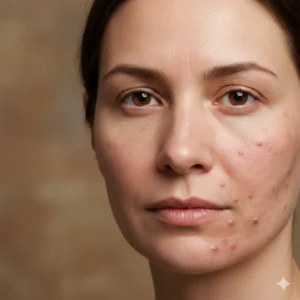
• Premature aging
• Hyperpigmentation
• Sensitivity
• Chronic acne
• Permanent texture damage
According to Healthline and Mayo Clinic, repeated irritation accelerates skin aging and barrier breakdown.
Conclusion
Healthy skin is not about expensive products—it’s about avoiding silent mistakes and choose products according to your skin type and need as per the problem .
Once you understand these beauty mistakes that damage skin over time, skincare becomes simpler, safer, and more effective.
Treat your skin gently today, and it will thank you for years to come.
Avoiding beauty mistakes that damage skin over time is the key to maintaining long-term skin health and glow.
Mindful beauty habits are the real glow secret.
Can beauty mistakes damage skin over time?
Yes, repeated beauty mistakes can slowly weaken the skin barrier, leading to premature aging, pigmentation, and long-term sensitivity.
Why does skin look dull despite regular skincare?
Skin often looks dull due to hidden inflammation, sun damage, or barrier damage caused by daily skincare mistakes.
Can over-skincare harm the skin?
Yes, using too many products or actives can irritate the skin, disrupt its natural balance, and cause breakouts or sensitivity.
How long does skin take to recover from damage?
With proper care and consistency, skin usually takes 1–3 months to repair, depending on the level of damage.